
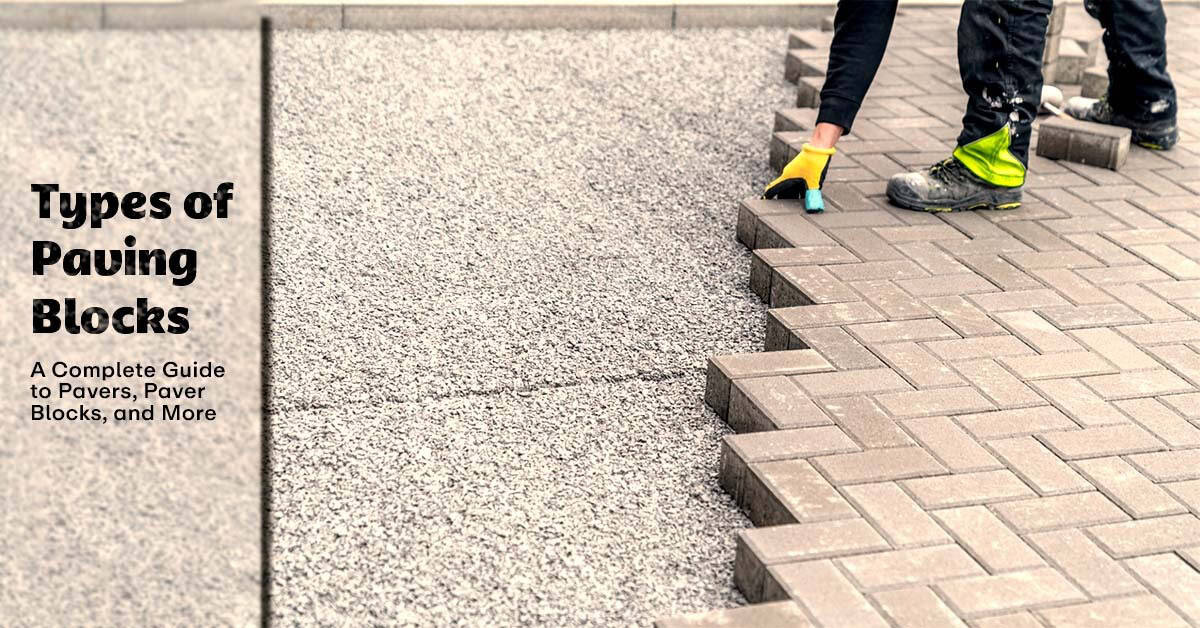
In today’s world of construction and landscaping, choosing the right type of paving blocks can greatly impact the aesthetics, durability, and overall functionality of your outdoor spaces. From driveways to patios, paving blocks are essential in creating long-lasting, visually appealing surfaces. In this article, we’ll explore the different types of paving blocks available, their uses, benefits, and how to choose the best one for your project.
Table of Contents
What Are Paving Blocks?
Paving blocks are pre-cast pieces of concrete, clay, or rubber that are used to create smooth, durable surfaces for roads, sidewalks, patios, and other outdoor areas. These blocks come in various shapes, sizes, and materials, making them ideal for customizing and creating decorative surfaces.
Why Choose Paving Blocks?
Paving blocks are an attractive and practical option for a variety of reasons:
Durability: Paving blocks are designed to withstand heavy traffic, weather conditions, and daily wear and tear.
Cost-effectiveness: They offer a more affordable option compared to asphalt or poured concrete.
Aesthetic appeal: With their wide variety of colors and patterns, paving blocks can be used to enhance the appearance of any outdoor space.
Understanding Paving Blocks and Their Uses
What Are the Different Types of Paving Blocks?
There are several types of paving blocks, each serving different purposes in construction and landscaping:
Paver Blocks
Concrete Pavers
Clay Pavers
Rubber Pavers
Interlocking Pavers
Each type has its unique features, making them suitable for specific applications.
Why Are Paving Blocks Used in Outdoor Construction?
Paving blocks are commonly used in constructing driveways, patios, walkways, and roads due to their flexibility, ease of installation, and ability to handle heavy traffic. They offer a low-maintenance solution that can be easily replaced if damaged.


Types of Paving Blocks
What Are Paver Blocks?
Paver blocks are typically made from concrete or clay and are used to create hard surfaces like walkways, patios, and roads. They come in a variety of shapes and sizes and can be easily interlocked for added stability.
Different Types of Paver Blocks:
Interlocking Paver Blocks: These pavers lock together, providing a stable and secure surface.
Decorative Paver Blocks: These are designed for aesthetic purposes and are often used in garden paths or driveways.
Rubber Pavers: Made from recycled rubber, these pavers are flexible and absorb shock, making them ideal for playgrounds or pool areas.
Concrete Pavers
What Are Concrete Pavers?
Concrete pavers are the most commonly used type of paving block. They are made by pouring concrete into molds and curing them to create strong, durable blocks.
Advantages of Concrete Pavers
Strength: Concrete pavers are known for their strength and ability to withstand heavy loads.
Durability: These pavers last for many years with minimal maintenance.
How Are Concrete Pavers Used in Construction?
Concrete pavers are ideal for constructing driveways, sidewalks, patios, and roads. They are widely used in both residential and commercial projects because of their affordability and ease of installation.
Clay Pavers
What Are Clay Pavers?
Clay pavers are made from natural clay and are kiln-fired to provide a durable and aesthetically pleasing surface. Their rich, earthy tones make them a popular choice for garden pathways and patios.
Why Choose Clay Pavers Over Concrete?
Clay pavers offer better aesthetic appeal and are less prone to fading over time compared to concrete pavers. They also provide a more rustic look, making them ideal for creating classic outdoor spaces.
Rubber Pavers
What Are Rubber Pavers?
Rubber pavers are made from recycled rubber, providing a soft and flexible surface. These pavers are slip-resistant, making them an excellent choice for playgrounds and pool areas.
Where Are Rubber Pavers Commonly Used?
Rubber pavers are typically used in high-traffic areas such as playgrounds, sports courts, and around swimming pools. Their shock-absorbing properties make them ideal for spaces where safety is a priority.
Factors to Consider When Choosing Paving Blocks
How Do You Choose the Right Type of Paving Block for Your Project?
When selecting paving blocks for your project, consider the following factors:
Durability: Choose blocks that can withstand the weather conditions and traffic in the area.
Style: Consider the aesthetic of your outdoor space and choose paving blocks that complement your design.
Cost: Compare the prices of different types of paving blocks to find an affordable option for your project.
Maintenance: Choose paving blocks that are easy to maintain and replace if damaged.
What Are the Benefits of Interlocking Paver Blocks?
Interlocking paver blocks are a popular choice because they provide stability, reduce shifting, and prevent cracking over time. They are ideal for heavy-duty applications such as roads and commercial spaces, where durability is key.
Advantages of Paving Blocks Over Other Materials
Why Are Paving Blocks Better Than Asphalt or Concrete Slabs?
Paving blocks offer several advantages over asphalt and concrete slabs:
Aesthetic variety: Paving blocks come in many colors and patterns, offering more design options.
Flexibility: Paving blocks can be easily replaced if damaged, unlike concrete slabs.
Durability: Paving blocks are less prone to cracking and provide a longer lifespan than asphalt or concrete.
What Makes Paving Blocks Ideal for Outdoor Spaces?
Paving blocks are perfect for outdoor spaces because they are:
Weather-resistant
Low-maintenance
Able to withstand heavy traffic
Environmental Benefits of Paving Blocks
How Do Paving Blocks Help the Environment?
Paving blocks can help reduce carbon footprints through their use of recycled materials and energy-efficient production processes. Additionally, they help with stormwater management by allowing water to permeate through the gaps between blocks.
Can Paving Blocks Be Recycled?
Yes, paving blocks are recyclable. Old paving blocks can be crushed and reused for new paving projects or other construction purposes, contributing to sustainability in the industry.
Installation and Maintenance of Paving Blocks
How Are Paving Blocks Installed?
Installing paving blocks involves preparing a solid foundation, laying a layer of sand for bedding, and placing the blocks carefully. It’s important to ensure proper alignment and leveling to prevent shifting.
What Is the Maintenance Like for Paving Blocks?
Paving blocks require minimal maintenance. Regular cleaning with a pressure washer, sealing to prevent stains, and replacing damaged blocks are the main maintenance tasks.
Common Issues with Paving Blocks and How to Fix Them
Weed Growth: Regular cleaning and using weed barrier fabric can prevent this issue.
Shifting Blocks: Ensure proper installation and compact the base material to avoid shifting.
Costs of Paving Blocks
How Much Do Paving Blocks Cost?
The cost of paving blocks varies depending on the material, size, and customization. Concrete pavers tend to be the most affordable, while clay pavers and rubber pavers can be more expensive.
Are Paving Blocks a Cost-Effective Option for Large Projects?
Yes, paving blocks can be a cost-effective option, especially when considering their durability and low maintenance. While the initial cost might be higher than asphalt, the long-term savings and aesthetic appeal make them a better investment.
The Future of Paving Blocks in Construction
What Are the Latest Innovations in Paving Blocks?
New innovations in paving blocks include eco-friendly options like permeable paving blocks and solar-powered paving systems. These innovations focus on improving sustainability and enhancing functionality.
How Will Paving Blocks Contribute to Smart Cities?
Paving blocks will play an essential role in the development of smart cities by integrating green technologies and contributing to the sustainability of urban infrastructure.
Conclusion
Key Takeaways on the Types of Paving Blocks
Paving blocks are durable, cost-effective, and versatile materials used for various outdoor applications.
Concrete, clay, and rubber pavers offer unique advantages for specific needs.
Proper installation and maintenance ensure longevity and performance.
Final Thoughts
Choosing the right type of paving block is crucial for the success of your outdoor construction project. Consider factors like durability, cost, and style to find the best option for your needs.



Top Builders in Patna: Leading Developers and Construction Companies
Top FAQs about Types of Paving Blocks
1. What are the different types of paver blocks?
There are several types of paver blocks, each serving a specific purpose:
Concrete paver blocks: Strong, durable, and affordable, ideal for driveways and pathways.
Clay pavers: Known for their aesthetic appeal, commonly used in patios and garden walkways.
Rubber pavers: Made from recycled rubber, perfect for playgrounds and areas where safety is a concern.
2. What is the cheapest form of paving?
The cheapest form of paving is typically concrete pavers. They are cost-effective, durable, and widely available. Concrete paving blocks offer a great balance of strength and affordability, making them an excellent choice for budget-conscious projects.
3. What is the best shape for a paver block?
The best shape for a paver block depends on the intended application. However, square and rectangular pavers are most commonly used as they interlock well, providing a stable surface. For decorative purposes, you can also find hexagonal and octagonal pavers that add visual interest.
4. What are the different types of paving stones?
Paving stones come in several types:
Natural stone pavers: Made from materials like granite, slate, or limestone.
Concrete pavers: Manufactured and available in various sizes and shapes.
Clay paving stones: Made from natural clay, offering a classic, rustic look.
5. How many types of paver blocks are there?
There are several types of paver blocks, including:
Concrete paver blocks
Clay pavers
Rubber pavers
Interlocking pavers
Permeable pavers (ideal for water drainage)
6. What is block paving?
Block paving refers to the process of laying paving blocks or bricks to create stable, durable surfaces for driveways, pathways, and patios. These blocks can be made from materials like concrete, clay, or brick, and they often interlock to ensure a tight, secure fit.
7. What are block pavers made of?
Block pavers are commonly made from concrete, clay, or natural stone. Concrete pavers are the most popular due to their strength, durability, and affordability. Clay pavers are preferred for aesthetic purposes, while rubber pavers offer flexibility and shock absorption.
8. Which type of paver block is best?
The best type of paver block depends on the project’s specific needs:
Concrete pavers: Best for high-traffic areas like driveways.
Clay pavers: Ideal for decorative areas like patios.
Rubber pavers: Perfect for playgrounds and poolside areas.
9. What is the paver block rate per sq ft?
The rate per square foot of paver blocks varies depending on the material:
Concrete pavers: Around $2 to $4 per sq ft.
Clay pavers: Typically range from $3 to $6 per sq ft.
Rubber pavers: These are more expensive, typically around $4 to $8 per sq ft.
10. Are pavers better than concrete?
Yes, pavers are often better than concrete slabs in certain applications. Paving blocks offer greater flexibility, aesthetic variety, and are easier to repair. In case of damage, individual pavers can be replaced without affecting the entire surface, unlike solid concrete slabs.
11. How do I choose paver blocks for my driveway?
When choosing paver blocks for your driveway, consider factors like:
Durability: Opt for concrete pavers for strength.
Aesthetic appeal: Choose clay pavers for a more decorative look.
Cost: Concrete pavers are typically more affordable.
Slip resistance: Make sure the pavers are non-slip, especially in wet conditions.
12. How long do pavers last?
Pavers are highly durable and can last for decades if properly installed and maintained. On average, concrete pavers can last 25-50 years, while clay pavers may last even longer due to their resistance to fading and weathering.
13. Can you install pavers yourself?
Yes, paver blocks can be installed by DIY enthusiasts. The process involves preparing a solid base, laying sand for bedding, and carefully positioning the pavers. However, professional installation is recommended for larger or more complex projects to ensure proper drainage and leveling.
14. Do paver blocks resist slip and skidding?
Yes, paver blocks are designed to resist slip and skidding, especially when installed correctly with adequate joint spacing. Rubber pavers and certain textured concrete pavers offer additional slip resistance, making them ideal for high-traffic areas like walkways and pool decks.
15. What is the best way to install paver blocks?
To install paver blocks, follow these steps:
Prepare the ground by removing any existing surface and leveling the area.
Lay a geotextile fabric to prevent weed growth.
Add a gravel and sand base for stability.
Carefully place the paver blocks, ensuring a snug fit.
Compact the surface and fill in the gaps with joint sand.

